
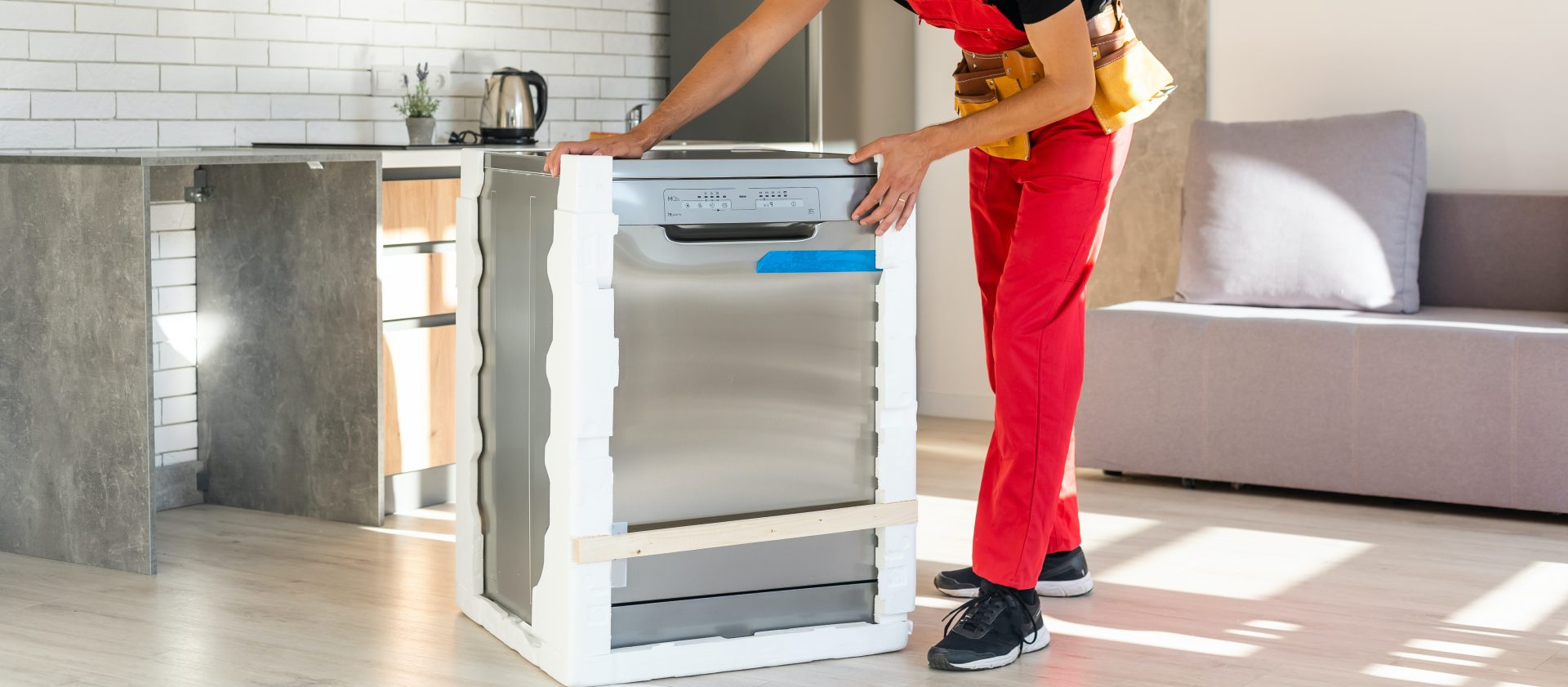
Moving a refrigerator or washing machine is very different from packing clothes or dishes. Large appliances are heavy, hard to grip, and filled with parts that can move or become damaged during transport. They can also damage floors, walls, doors, or nearby furniture when handled poorly.
Knowing how to pack and move heavy home appliances starts before anyone tries to lift them. Appliances need to be disconnected, cleaned, secured, and wrapped first. The path to the moving truck also needs to be checked. With the right preparation, you can reduce the risk of damage and make the move easier for everyone involved.
How to Prepare Heavy Appliances Before Moving
Start preparing large appliances before moving day. Waiting until the truck arrives to disconnect a washing machine or empty a refrigerator can slow down the entire move.
Check the manufacturer’s instructions when available. Different models may have their own steps for transport, so the manual should take priority over general moving advice.
Clean and Disconnect Appliances Early
Empty refrigerators and freezers of all food. Unplug them with enough time to defrost, then clean and dry the inside. Any water left behind can leak during the move or create unwanted odors.
Washing machines and dishwashers also need to be disconnected from their water supply and drained. Keep hoses together after removal so they are easy to find when you reach the new property.
Take a photo of connections before removing cords or hoses if you are unsure how they should be set up again.
How to Pack a Refrigerator for Moving
Remove loose shelves, drawers, trays, and other parts that could shift inside the refrigerator. Wrap these pieces separately so they do not hit each other during transport.
Once the inside is empty and dry, close the doors and secure them without placing strong adhesive directly on the appliance finish. Wrap the exterior with a moving blanket or other padded cover to help prevent scratches and dents.
Secure Doors, Cords, and Loose Parts
Secure the power cord so it does not drag across the floor or become caught while the refrigerator is being carried. Do the same with water lines when applicable.
Refrigerators should generally be transported upright. If the manufacturer’s instructions allow another position, follow its directions on how the appliance should be handled and how long it should stand before being plugged back in.
How to Pack a Washing Machine or Dryer
Washing machines need special care because the drum can move during transport. Some models use shipping or transit bolts to hold the drum in place. Check the appliance manual to see whether your machine requires them.
Drain the washing machine fully before it is moved. Disconnect the hoses, dry them, and pack them separately. Keep any small fittings together so they do not disappear during the move.
A dryer should also be unplugged and disconnected from any venting before transport. Once prepared, cover the outside of both appliances with padded moving blankets to protect their surfaces.
These steps are a key part of heavy home appliance packing and moving because damage can happen inside an appliance even when the outside looks fine.
How to Prepare Other Large Appliances
Dishwashers, ovens, and other large household appliances should be emptied and cleaned before they leave the property. Loose racks and trays need to be secured or packed separately.
Gas appliances need extra care. Connections should be handled according to the manufacturer’s instructions and applicable safety requirements. If you are unsure about disconnecting or reconnecting an appliance, use a qualified technician rather than attempting the work yourself.
For appliances with glass doors or delicate control panels, use padding that protects these areas from direct contact during transport.
Safehouse’s packing services can also help when you have several large household items that need to be prepared as part of the same move.
How to Move Heavy Home Appliances Safely
Good packing does not remove the risks that come with weight. Large appliances should not be dragged across the floor or lifted without enough support.
Check the Path Before Moving Anything
Measure the appliance and check every doorway, hallway, elevator, stairway, and turn between its current position and the moving vehicle. Clear boxes, rugs, cables, and other objects from the path.
Protect floors where needed. Tight corners and door frames may also need temporary protection when moving wide appliances through narrow spaces.
Proper moving equipment can make a major difference. Appliance dollies and suitable straps can help keep large items controlled while reducing the need to carry their full weight by hand.
Never use the door, handle, hose, or power cord as a lifting point. These parts were not made to carry the weight of the appliance.
If you are moving several large items, Safehouse Storage provides packing, moving, and storage support for residential and business relocations.
What to Do After Appliances Reach the New Property
The job is not finished when an appliance reaches the new home. Inspect it for visible damage before removing all protective materials.
Place each appliance in its intended location before reconnecting it. Make sure the floor is stable and there is enough room for any required ventilation.
Refrigerators may need to remain unplugged for a period after transport, depending on how the specific model was moved. Follow the manufacturer’s instructions before switching it back on.
For washing machines and dishwashers, check hose connections carefully before normal use. A loose connection may not become obvious until water begins flowing.
When Professional Packing and Moving Help Makes Sense
Packing and moving heavy home appliances can be difficult when access is tight, stairs are involved, or several large items need to be moved at once.
Professional support can also make sense when the appliances are part of a larger home or office move. Instead of having different people handle packing and transport separately, one moving team can prepare the items with the full journey in mind.
If your appliances need to leave the property during repair or remodeling work, Safehouse’s content on storing furniture and equipment during renovations can also help you plan where large items can stay until the property is ready.
Move Heavy Appliances with Less Risk
The safest way to pack and move heavy home appliances is to prepare them before moving day. Empty and clean each appliance, disconnect it correctly, secure loose parts, protect the outside, and check the route before lifting begins.
Weight matters just as much as packing. Use suitable moving equipment and enough people for the job rather than trying to force a large appliance through a difficult space.
Safehouse Storage and Moving Services can help households and businesses prepare, move, and store heavy appliances during relocations and renovations. When large items are difficult to handle on your own, professional packing and moving support can make the process safer and easier.