
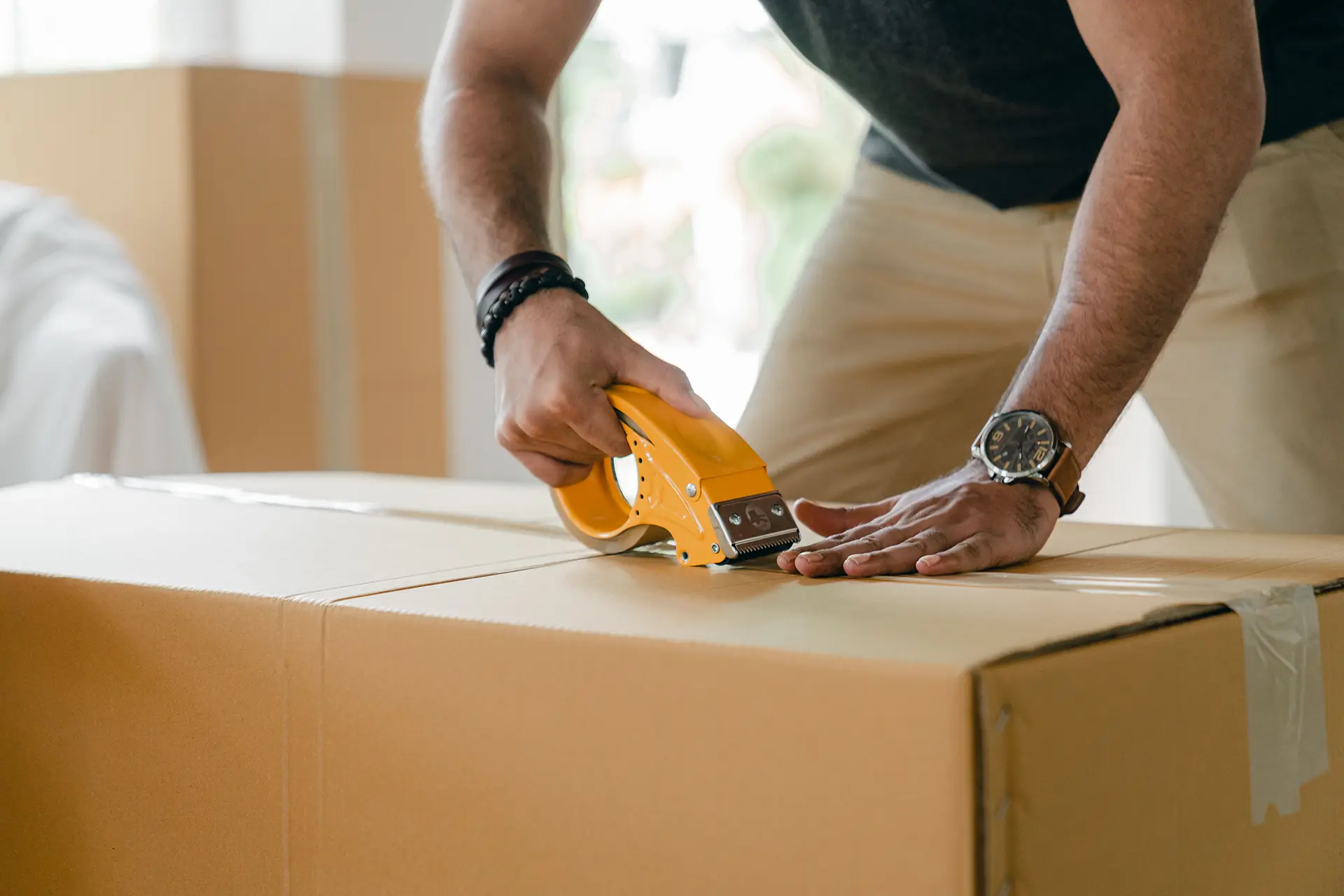
Moving into or out of a condominium is different from moving between houses. Aside from packing your belongings, you also need to work with building administrators, reserve service elevators, follow move-in or move-out schedules, and complete the required paperwork. Missing even one requirement can delay your move and create unnecessary stress.
A well-planned condo relocation helps everything stay on schedule. By preparing early, coordinating with your building management, and working with experienced movers, you can make moving day much easier. This condo relocation guide walks you through each stage so you know what to expect before, during, and after the move.
Start Planning Your Condo Relocation Early
The most successful moves begin several weeks before moving day. As soon as you know your moving date, contact both your current and future condominium management offices. Many buildings require advance notice before approving a move, and some only allow relocations during specific hours or days of the week.
Early planning also gives you enough time to sort through your belongings. Moving is a good opportunity to decide what you want to bring, donate, sell, or dispose of before packing begins. Fewer items often mean a faster move and lower transportation costs.
If you plan to hire professional moving services in the Philippines, booking early helps you secure your preferred moving date, especially during weekends and month-end schedules when demand is usually higher.
You can also read these cost effective moving tips to help prepare your budget before relocating.
Secure Your Condo Administration Requirements
One of the biggest differences between a house move and a condominium relocation is dealing with administrative requirements. Every condominium has its own policies, so never assume the rules are the same from one property to another.
Booking Elevator Access
Most condominium buildings require residents to reserve the service elevator before moving day. This prevents scheduling conflicts and allows building staff to prepare protective coverings for elevators and hallways if needed.
Confirm the reservation time carefully. If your movers arrive too early or too late, you may lose your reserved schedule and have to wait for the next available slot.
Coordinating with Building Management
Some buildings require move-in or move-out permits, refundable security deposits, vehicle registrations, or identification for the moving crew. Completing these requirements ahead of time prevents delays on moving day.
Keep printed or digital copies of all approved documents so they are easy to present if requested by building personnel.
Pack with Your New Home in Mind
Packing is more than placing belongings inside boxes. A thoughtful packing system makes unpacking faster once you arrive at your new condominium.
Protecting Furniture and Fragile Items
Use sturdy boxes and quality packing materials for glassware, electronics, artwork, and decorative items. Label each box according to the room where it belongs instead of writing only its contents. This helps movers place everything in the correct location immediately.
Furniture should also be prepared before moving day. Remove detachable parts when possible and protect surfaces with moving blankets or protective wrapping to reduce the chance of scratches while passing through elevators and narrow hallways.
Many homeowners also prepare an essentials box containing chargers, toiletries, medications, cleaning supplies, and a few days’ worth of clothing. Keeping these items within easy reach allows you to settle into your new home without searching through dozens of boxes.
To learn more about preparing for moving day, visit Safehouse Storage.
Prepare for Moving Day
Moving day usually begins earlier than expected. Before the movers arrive, check that all boxes are sealed, furniture is ready for transport, and important documents remain with you instead of being loaded into the truck.
Walk through the unit one final time before leaving. Open cabinets, drawers, storage areas, and balconies to make sure nothing has been forgotten. Taking photos of the unit after everything has been moved out can also be helpful if required by your condominium administration.
Moving During Bad Weather
Rain can quickly complicate a move. Wet walkways, slippery loading areas, and damp boxes create additional risks for both belongings and movers.
If your relocation falls during the rainy season, reading about moving during the rainy season can help you prepare for changing weather conditions. Allow extra travel time and monitor weather forecasts in the days leading up to your move.
Settle into Your New Condominium
Once everything arrives, there is no need to unpack every box immediately. Start with the rooms you use most often, such as the bedroom, bathroom, and kitchen. Having these spaces ready first makes the first few days much more comfortable.
As you unpack, inspect furniture and fragile belongings to confirm they arrived safely. If your condominium requires a post-move inspection, coordinate with the administration once unloading has been completed.
Many new residents also take this opportunity to familiarize themselves with building rules, garbage disposal schedules, visitor procedures, parking regulations, and emergency exits. Knowing these details early helps you settle into your new community more quickly.
For additional planning ideas before your move, this lipat bahay checklist can help you stay organized throughout the process.
Common Questions About Condo Relocation
Many people ask when they should begin preparing for a condominium move. In most cases, starting four to six weeks before moving day provides enough time to secure permits, reserve elevators, hire movers, and pack without rushing.
Another common question is whether every condominium requires permits. Requirements vary from one property to another, but most buildings ask residents to coordinate with the administration before moving in or out.
People also wonder if hiring professional movers is necessary. While small moves can sometimes be completed independently, experienced movers are often familiar with condominium procedures and know how to transport furniture safely through elevators, hallways, and loading bays.
Make Your Next Move Easier
A successful condo relocation depends on preparation just as much as transportation. Reserving elevators, completing administrative requirements, packing carefully, and working with reliable movers all help reduce delays and avoid unnecessary stress.
Whether you are moving into your first condominium or relocating to another property, planning each step ahead of time gives you more confidence on moving day.
Safehouse provides dependable moving services for homeowners and families across the Philippines. From careful handling to organized transportation, our team is ready to help make your next condo relocation simple, efficient, and worry-free.