
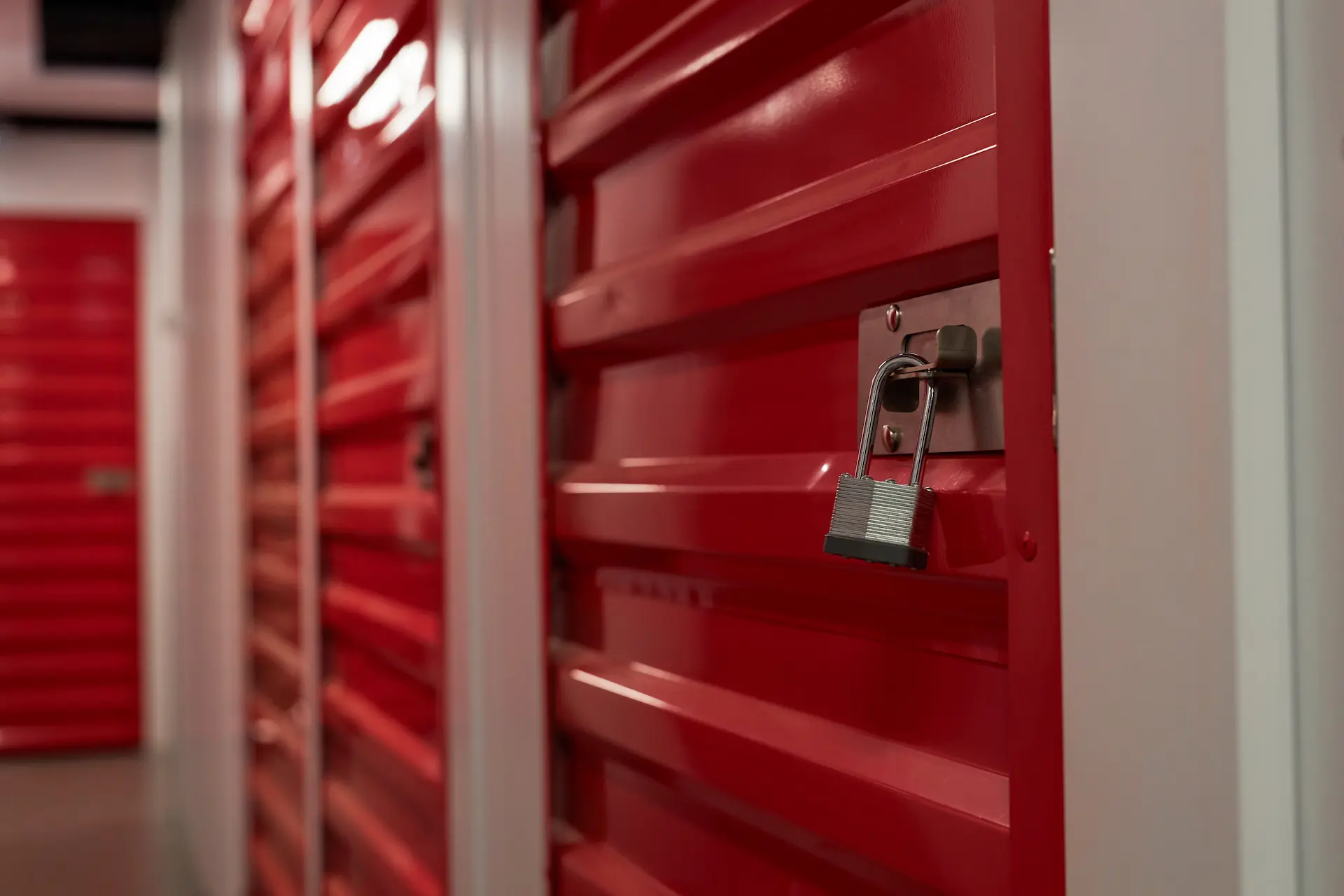
Self-storage insurance helps protect belongings kept inside a storage unit if certain covered events cause loss or damage. Whether you need a separate policy depends on the storage provider’s rules and any insurance you may already have. Some home, renters, or business policies may include off-site belongings, but limits and exclusions can apply. Before renting a unit, check what coverage you already have, ask what the storage facility requires, and read the policy terms carefully.
What Is Self-Storage Insurance?
Self-storage insurance covers belongings kept away from your home or main place of business inside a storage facility. Depending on the policy, it may help cover certain losses caused by events listed in the insurance terms.
The storage facility and the insurance policy are separate things. A secure storage unit can reduce day-to-day risks, but security measures do not automatically mean your belongings are insured.
This is why anyone using a storage space rental should understand the difference between facility security and financial coverage before placing items in storage.
Do You Really Need Insurance for a Storage Unit?
The answer depends on what you are storing, how much the items are worth to you, what coverage you already have, and what the facility requires.
Some storage providers may ask customers to show proof of insurance or obtain coverage before renting a unit. Others may leave the decision to the renter. Policies and requirements can differ, so ask before signing your rental agreement.
Think about the cost of replacing what you plan to store. A unit containing a few boxes of low-cost household goods carries a different financial risk from one holding furniture, appliances, electronics, business stock, or important equipment.
If you are comparing storage units, insurance is one part of the decision. Security, access, cleanliness, location, and monthly cost matter, too.
What Does Self-Storage Insurance Usually Cover?
Coverage depends on the insurer and the exact policy. A policy may protect against certain events such as theft, fire, or some forms of water damage, but you should never assume a specific event is included.
Read the policy wording before paying for coverage. Check both the covered events and the conditions that must be met before a claim can be approved.
The amount of coverage also matters. If the contents of your unit are worth more than the policy limit, you may still face a high personal cost after a covered loss.
This is especially relevant for businesses using self-storage for inventory, office furniture, equipment, or records. The value of stored goods can grow over time, so review coverage when the contents of the unit change.
What May Not Be Covered by Storage Insurance?
Insurance policies normally contain exclusions. These are situations, items, or types of damage that the policy does not pay for.
Certain high-value items may have lower limits or may need separate coverage. Damage caused by poor packing, normal wear, pests, or gradual changes in condition may also be treated differently depending on the policy.
This is why proper packing still matters even when insurance is in place. Insurance should not replace careful preparation. Items should be clean, dry, packed in suitable containers, and placed inside the unit in a way that reduces the chance of damage.
How to Check If You Already Have Coverage
Before buying separate self-storage insurance, check your current insurance policies. Some home or renters insurance may include limited coverage for belongings stored away from the insured home.
Home and Renters Insurance
Ask your insurer whether off-site storage is included and whether the coverage limit changes when items are outside your home. Find out what events are covered and whether certain types of property have separate limits.
Do not rely on the fact that you have home insurance alone. A policy may cover stored belongings differently from items kept inside the insured property.
Business Insurance
Business owners should check whether their current policy covers stock, equipment, or records kept at another location. Coverage may depend on the type of property and where it is stored.
If you are relocating your household or business while using temporary storage, Safehouse also provides moving services in the Philippines that can support the transition.
What to Ask Before Renting a Storage Unit
Before signing an agreement, ask the storage provider whether insurance is required and whether the facility offers any insurance options. Also confirm what documents are needed if you plan to use your own policy.
Ask your insurer about coverage limits, deductibles, exclusions, and the claims process. Keep receipts, photos, serial numbers, or a basic record of the items placed in storage. This can make it easier to show what was stored if you ever need to file a claim.
Cost should be part of the discussion too. If you are still comparing facilities, this article on storage rates can help you compare monthly storage costs with other factors.
Choosing Storage with Protection in Mind
Insurance is only one part of protecting stored belongings. The storage facility itself should also provide a clean, secure, and well-managed place for your items.
When reviewing a facility, consider its access controls, security practices, unit condition, and customer support. Then look at your insurance separately. Together, these choices can help reduce both physical and financial risks.
Safehouse Storage provides storage options for households and businesses that need extra space during moves, renovations, growth, or everyday space management.
Protect Your Belongings Before They Go Into Storage
Self-storage insurance can make sense when replacing your belongings would be difficult to absorb on your own. But the right decision depends on your existing policies, the items being stored, and the terms of the coverage available to you.
Before renting, take time to check what protection you already have and what the storage provider expects. Read the policy instead of relying on assumptions, and keep a record of what goes into your unit.
If you are planning to rent storage for personal belongings or business items, Safehouse Storage and Moving Services can help you find a storage option that suits your space needs while giving you a more organized way to manage what matters.